Poetry as Therapy: Finding Light in the Darkness
In our last episode, we had the privilege of speaking with Brandon Dillon, a former Marine who discovered the transformative power of poetry as a coping mechanism for trauma. Brandon's story is a powerful example of how art can be a lifeline, offering solace and a means of processing difficult emotions when words alone fail. In this post, we'll delve deeper into Brandon's journey, exploring the therapeutic benefits of creative expression and offering practical advice for those seeking similar paths to healing. We hope you'll find inspiration and actionable strategies for navigating your own challenges. Be sure to check out Episode #12: Marine Grunt to Passionate Poet to hear Brandon's story in his own words.
The Power of Poetry as Therapy
The human experience is often marked by periods of profound darkness. Trauma, loss, and adversity can leave lasting scars, making it difficult to find a path forward. While traditional therapeutic approaches are invaluable, creative expression offers a unique avenue for processing emotions, gaining insight, and fostering resilience. Poetry, in particular, provides a powerful tool for transforming pain into beauty, chaos into order, and silence into voice.
For centuries, poets have used language to explore the depths of the human condition. The act of crafting a poem – whether it's a structured sonnet or a free-flowing stream of consciousness – allows us to externalize our inner world, giving form to feelings that may be too overwhelming to confront directly. Through metaphor, imagery, and rhythm, poetry can unlock hidden meanings, challenge limiting beliefs, and ultimately, pave the way for healing and growth.
From Marine to Poet
Brandon Dillon is a testament to the transformative potential of poetry. A former Marine with eight years of service, Brandon faced unimaginable challenges during his time in Iraq and Afghanistan. Upon returning home, he struggled with the invisible wounds of war: post-traumatic stress, moral injury, and the lingering weight of loss. Like many veterans, he found himself battling inner demons, searching for a way to make sense of his experiences and reclaim his life.
Brandon's journey is one of resilience and courage. He didn't shy away from the pain, but instead, sought healthy ways to cope with it. When he found poetry, he found more than just a hobby; he found a lifeline. Through the act of writing, he was able to process his trauma, connect with his emotions, and discover a sense of purpose. His story is a beacon of hope for anyone struggling with the aftermath of trauma, demonstrating that healing is possible, even in the darkest of times.
8 Years of Service (2004-2012)
Brandon Dillon's military career spanned eight years, from 2004 to 2012, a period marked by intense combat operations in Iraq and Afghanistan. As a Marine, specifically an 0311 (Infantry Rifleman), he faced the harsh realities of war firsthand. The experiences he endured during his deployments left an indelible mark, shaping his worldview and ultimately contributing to the challenges he faced upon returning to civilian life.
The role of an infantry rifleman is demanding and often dangerous. These individuals are on the front lines, engaging directly with the enemy. They witness scenes of violence, loss, and destruction that can be incredibly difficult to process. The constant exposure to trauma can lead to a range of mental health issues, including PTSD, anxiety, and depression. Furthermore, the moral complexities of warfare can create a sense of moral injury, leaving veterans feeling conflicted and burdened by their actions.
Brandon's service during this period exposed him to these very challenges. He saw and experienced things that few civilians can comprehend. The weight of those experiences followed him home, making the transition to civilian life a difficult and often isolating process.
Finding Solace in Poetry
After leaving the military, Brandon struggled to find healthy ways to cope with the trauma he had endured. He experimented with different outlets, but nothing seemed to provide lasting relief. It was only when he stumbled upon poetry that he discovered a powerful means of expressing his emotions and making sense of his experiences.
For Brandon, poetry became a safe space to explore his inner world without judgment. The act of writing allowed him to externalize his pain, giving form to the thoughts and feelings that had been swirling within him. He found that he could use poetry to confront his demons, to honor his fallen comrades, and to express the full spectrum of human emotions, from anger and grief to hope and love.
Poetry offered Brandon a sense of control in a world that often felt chaotic and unpredictable. By crafting his own narratives, he was able to reclaim his story and rewrite the ending. He transformed his pain into art, finding beauty and meaning in the midst of darkness. In doing so, he discovered not only a means of healing but also a powerful form of self-expression that continues to enrich his life.
The Dark Days
The years following Brandon's military service were marked by significant challenges. Like many veterans, he struggled to reintegrate into civilian life, battling the symptoms of PTSD and the lingering effects of trauma. He found himself resorting to unhealthy coping mechanisms, such as excessive drinking, in an attempt to numb the pain and escape the memories that haunted him.
The transition from the structured environment of the military to the complexities of civilian life can be incredibly difficult. Veterans often experience a sense of disconnect, feeling alienated from their families, friends, and communities. They may struggle to find meaningful employment, to navigate the healthcare system, and to access the support services they need. These challenges, coupled with the underlying trauma, can lead to a downward spiral of isolation, despair, and self-destructive behavior.
Brandon's story highlights the importance of addressing the underlying trauma and developing healthy coping mechanisms. While substances like alcohol may provide temporary relief, they ultimately exacerbate the problem, leading to addiction, depression, and other mental health issues. It is crucial for veterans and anyone struggling with trauma to seek professional help and to explore alternative strategies for managing their emotions.
The Turning Point
Brandon's turning point came when he decided to seek therapy. In 2014, he began working with a therapist who encouraged him to explore his emotions and develop healthy coping mechanisms. It was through therapy that he began to understand the impact of his trauma and to develop strategies for managing his symptoms. His therapist also suggested that he share his poetry, encouraging him to connect with others who had similar experiences.
The act of sharing his poetry was transformative for Brandon. By opening himself up and sharing his vulnerabilities, he found a sense of connection and belonging. He discovered that he was not alone in his struggles and that his words had the power to resonate with others. This realization gave him the courage to continue writing and to use his poetry as a tool for healing and advocacy.
Therapy and creative expression can be powerful allies in the healing process. Therapy provides a safe and supportive environment for exploring difficult emotions, while creative expression offers a means of externalizing those emotions and finding meaning in them. Together, they can help individuals to process trauma, to develop resilience, and to reclaim their lives.
How Poetry Saved Brandon's Life
Brandon firmly believes that poetry saved his life. By providing an outlet for his emotions, a means of processing his trauma, and a way to connect with others, poetry helped him to navigate the darkest periods of his life and to emerge stronger and more resilient. It gave him a sense of purpose and a reason to keep going, even when things felt hopeless.
Poetry became Brandon's anchor, a constant source of strength and inspiration. It allowed him to transform his pain into something beautiful and meaningful, to find light in the darkness. Through his writing, he has not only healed himself but has also inspired countless others to seek their own paths to healing and hope.
The Therapeutic Benefits of Creative Expression
Brandon's story underscores the profound therapeutic benefits of creative expression. Whether it's poetry, painting, music, or dance, engaging in creative activities can have a positive impact on our mental and emotional well-being. Here are some of the key benefits:
- Emotional Release: Creative expression provides a healthy outlet for pent-up emotions, allowing us to process trauma, grief, anger, and other difficult feelings.
- Self-Discovery: The act of creating can help us to gain a deeper understanding of ourselves, our values, and our beliefs.
- Stress Reduction: Engaging in creative activities can lower stress levels, reduce anxiety, and promote relaxation.
- Improved Mood: Creative expression can boost our mood and increase feelings of happiness and well-being.
- Enhanced Self-Esteem: Creating something meaningful can increase our sense of accomplishment and boost our self-esteem.
- Connection with Others: Sharing our creative work with others can foster a sense of connection and belonging.
The VA, Therapy, and Healthy Coping
Brandon emphasizes the importance of seeking professional help and developing healthy coping mechanisms. He encourages veterans and anyone struggling with trauma to utilize the resources available through the VA (Veterans Affairs) and to seek therapy with a qualified mental health professional.
Here are some practical tips for navigating the VA and accessing mental health services:
- Enroll in VA Healthcare: If you are a veteran, enroll in VA healthcare to access a wide range of medical and mental health services.
- Contact the VA's Mental Health Services: The VA offers a variety of mental health services, including individual therapy, group therapy, and specialized programs for PTSD, substance abuse, and other mental health conditions.
- Find a Therapist: Seek therapy with a qualified mental health professional who has experience working with trauma survivors.
- Explore Different Types of Therapy: There are many different types of therapy, such as cognitive behavioral therapy (CBT), eye movement desensitization and reprocessing (EMDR), and art therapy. Find a type of therapy that resonates with you.
- Develop Healthy Coping Mechanisms: In addition to therapy, it's important to develop healthy coping mechanisms, such as exercise, mindfulness, and creative expression.
Tools for Healing
Mindfulness and meditation are powerful tools for promoting healing and well-being. By cultivating awareness of the present moment, we can learn to manage our thoughts and emotions more effectively and reduce the impact of stress and trauma. Mindfulness practices can help us to:
- Reduce Stress and Anxiety: Mindfulness meditation has been shown to reduce stress hormones and alleviate anxiety symptoms.
- Improve Focus and Concentration: Regular mindfulness practice can enhance our ability to focus and concentrate.
- Increase Self-Awareness: Mindfulness helps us to become more aware of our thoughts, feelings, and sensations.
- Cultivate Compassion: Mindfulness can foster feelings of compassion and kindness towards ourselves and others.
- Manage Pain: Mindfulness-based techniques can help us to manage chronic pain and improve our quality of life.
Finding Fulfillment
Brandon stresses the importance of finding activities that occupy your mind and time and that provide a sense of fulfillment. Engaging in hobbies, volunteering, or pursuing personal interests can help to combat feelings of isolation, boredom, and despair. Finding activities that you enjoy and that give you a sense of purpose can significantly improve your mental and emotional well-being.
Consider exploring activities such as:
- Creative Arts: Painting, drawing, writing, music, dance
- Outdoor Activities: Hiking, biking, gardening, fishing
- Volunteering: Helping others in your community
- Learning: Taking classes, reading books, exploring new subjects
- Social Activities: Spending time with friends and family, joining a club or organization
Brandon Dillon's Resources and Contact Information
Brandon Dillon is a passionate advocate for mental health awareness and a beacon of hope for those struggling with trauma. If you'd like to connect with Brandon, you can find him at https://linktr.ee/nollid20.
Connect with the Podcast
We encourage you to connect with our podcast community and share your own stories of healing and resilience. You can reach us at info@thebunkhousecast.com.
More resources can be found at our linktree: https://linktr.ee/thebunkhouse
Poetry as a Path to Healing and Hope
Brandon Dillon's story is a powerful reminder that healing is possible, even after experiencing profound trauma. His journey from Marine to poet demonstrates the transformative power of creative expression and the importance of seeking professional help and developing healthy coping mechanisms. By sharing his story, Brandon has inspired countless others to find their own paths to healing and hope.
We hope this blog post has provided you with valuable insights and actionable strategies for navigating your own challenges. Remember, you are not alone, and there are resources available to support you on your journey. As Brandon’s story proves, even in the darkest of times, there is always the potential for light and healing. Be sure to listen to Episode #12: Marine Grunt to Passionate Poet to hear Brandon's full story and gain even more inspiration from his incredible journey.
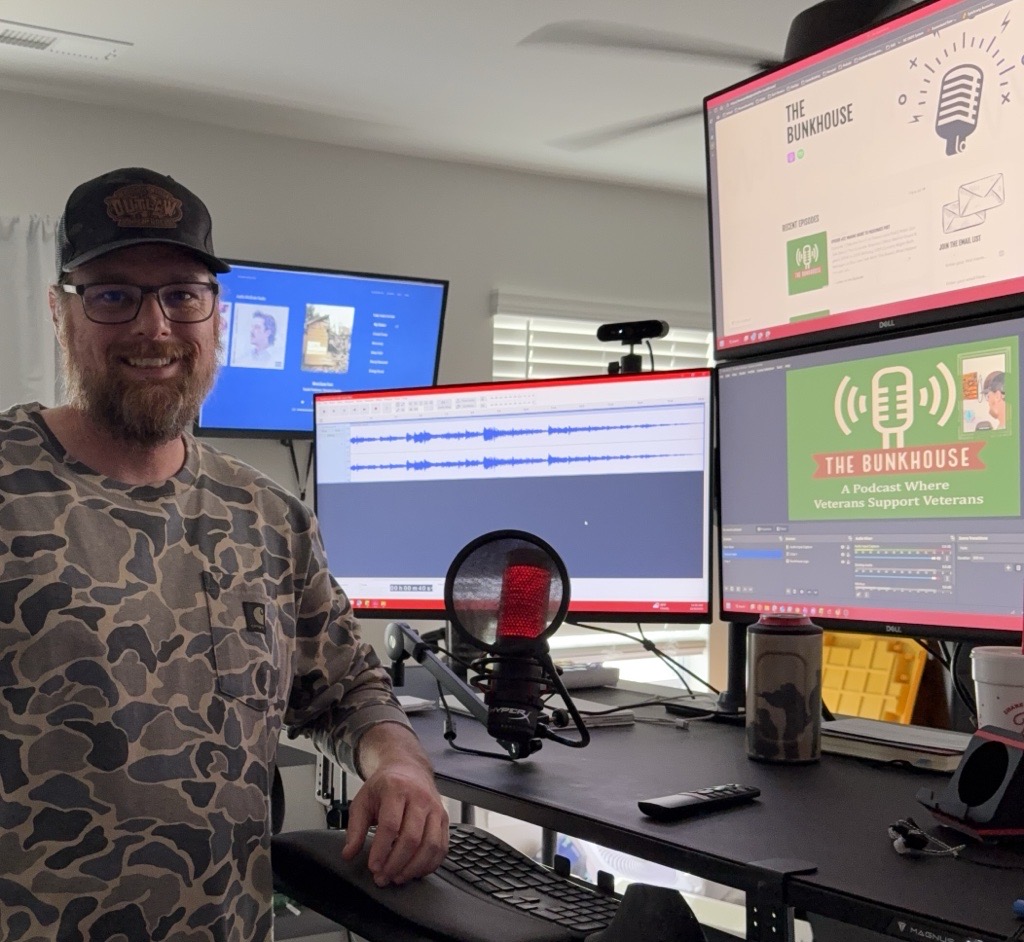
Podcast Host | Disabled Veteran | Mental Health Advocate
Jon went from being a rodeo cowboy to spending 16 years in the Marine Corps as a Data Systems Engineering Officer, including three combat deployments to Iraq and Afghanistan. His time in uniform wasn’t just about technology and operations; it was about people. From the good and bad of combat deployments to teaching young Marines at an entry-level MOS school, Jon learned how to lead, how to listen, and how to help others push through adversity.
Leaving the military wasn’t easy. Jon’s transition was rough, and the hardest part wasn’t the paperwork or the job hunt, it was waking up without a sense of purpose that felt as meaningful as serving. He hit some low places mentally and has seen up close what untreated mental health struggles can do to a person and a family. Friends, family members, and fellow veterans have turned to drugs, alcohol, and in some heartbreaking cases, taken their own lives when it all felt like too much.
Jon originally launched The Bunkhouse to share veterans’ journeys into IT and cybersecurity, with mental health as a side conversation. But stepping away from the show for a while made something very clear: the mental health conversations aren’t optional, they’re essential. Maybe now more than ever. That’s why, with the relaunch, The Bunkhouse is fully focused on veteran mental health and real, unpolished conversations about life after service.
At the core of who he is, Jon is rooted in his growing faith in his Lord and Savior Jesus Christ, his family, and community engagement. He believes having a tribe, people who show up fo…Read More


